
For a Sydney café owner, the sight of a cockroach is more than just unpleasant. It is a direct threat to your business. In an industry built on reputation, hygiene, and customer trust, a pest infestation can trigger a cascade of disastrous consequences, from scathing online reviews to serious penalties from the NSW Food Authority.
Commercial compliance requires rigorous cockroach control alongside preventative rodent control to pass audits.
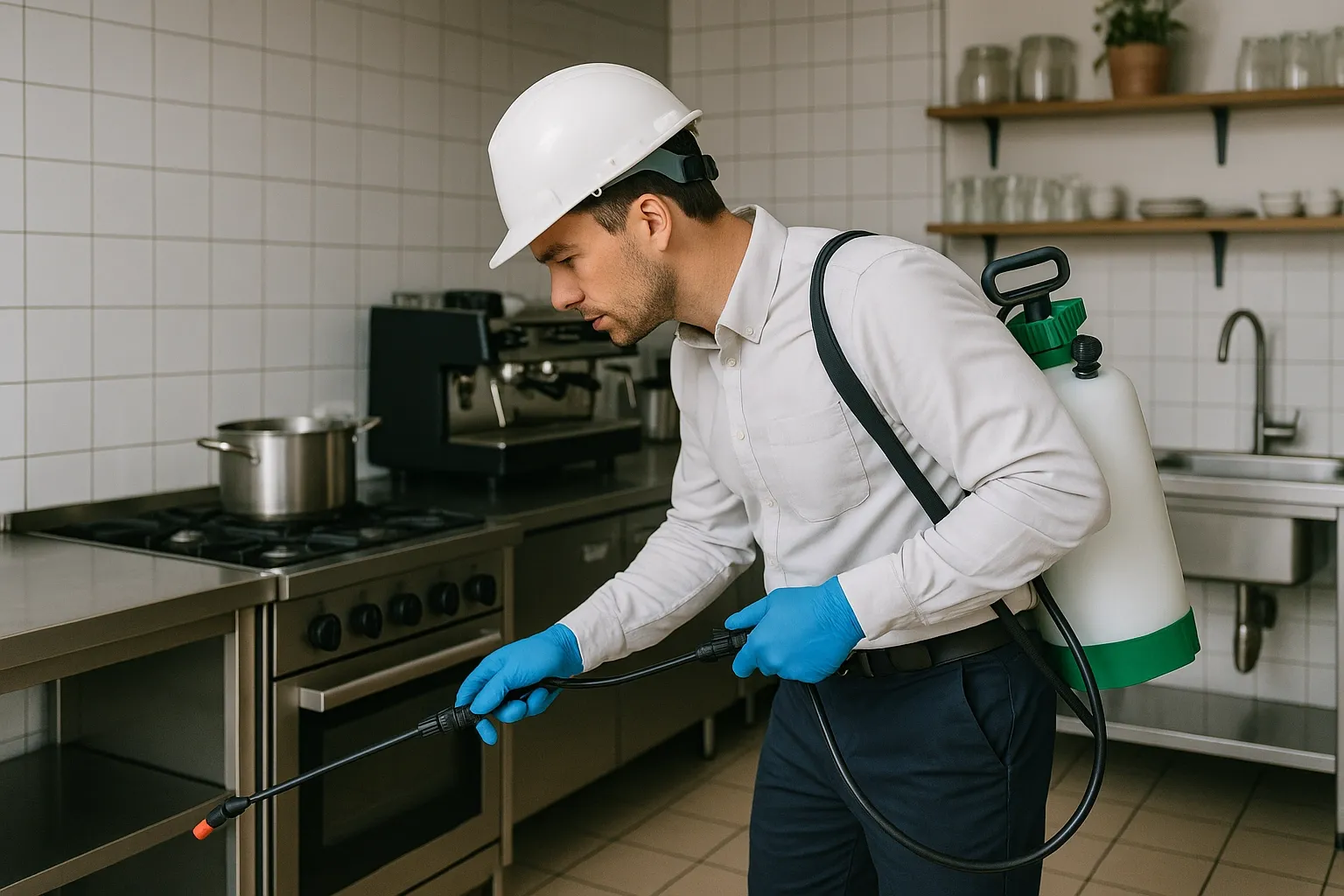
The True Cost of a Cockroach Infestation
A cockroach problem goes far beyond aesthetics. It's a significant business risk with tangible costs:
- Health & Safety Violations: Cockroaches carry pathogens like Salmonella and E. coli, posing a severe risk of food contamination and illness for your customers and staff.
- NSW Food Authority Penalties: A failed health inspection can result in on-the-spot fines, mandatory closure orders, and your business name being listed on the public "Name and Shame" register, a permanent mark on your reputation.
- Reputation Damage: In the age of social media, a single photo of a pest can go viral, leading to a flood of one-star reviews and a sharp decline in patronage.
- Financial Loss: Beyond fines, you face costs from spoiled inventory, lost revenue during closure, and the long-term struggle to rebuild customer trust.
Common Cockroach Hotspots in Cafés
Cockroaches are experts at finding shelter in warm, dark, and moist areas with easy access to food. Your daily cleaning routine might miss these key hiding spots:
- Behind & Under Equipment: The warmth from fridge motors, coffee machines, ovens, and dishwashers creates a perfect breeding ground.
- Sinks, Drains & Grease Traps: These areas offer constant moisture and a buildup of organic matter, a primary food source.
- Storage Areas: Cardboard boxes and dark, undisturbed storerooms provide ideal harborage. German cockroaches, in particular, love to hide in the corrugations of cardboard.
- Wall Voids & Cracks: Small gaps in tiles, skirting boards, or around plumbing penetrations are superhighways for pests.
DIY Sprays vs. Professional Integrated Pest Management (IPM)
Relying on off-the-shelf sprays is a common but costly mistake. They only kill the pests you see and can even scatter a colony, making the problem worse. A professional IPM approach is the only way to ensure compliance and long-term control.
| Factor | DIY Approach (e.g., sprays) | Professional IPM Strategy |
|---|---|---|
| Effectiveness | Kills only visible roaches; fails to eliminate the nest. | Targets the entire colony with baits, gels, and growth regulators. |
| Compliance | Lacks the required documentation for health inspections. | Provides detailed service reports and logs for audit purposes. |
| Food Safety | Risk of contaminating food prep surfaces with aerosol sprays. | Uses food-safe products applied strategically in non-contact zones. |
| Long-Term Cost | High due to repeat infestations, lost stock, and potential fines. | Lower overall cost by preventing major outbreaks and reducing business disruption. |
What The Food Standards Code Actually Requires
Food Standards Code 3.2.2 requires a food business to take all practicable measures to prevent pests entering the premises and to eradicate and prevent harbourage on site. In practice, an environmental health officer is looking for three things: no live or dead pests, no evidence such as droppings or egg cases, and records showing you have a pest management programme in place.
That third point catches a lot of operators. A cafe can be spotless and still fail the paperwork test because there is no service history to produce. Every visit we do leaves you with a dated report listing the areas inspected, the products applied with their APVMA registration numbers, the monitoring devices installed and their locations, and any recommendations for structural repairs. That file is what satisfies both council and a HACCP auditor.
In New South Wales, most councils publish inspection outcomes through scores-on-doors style programmes, so a poor result is visible to customers rather than filed away. A penalty notice for pest-related breaches runs into the thousands, and a prohibition order closing the premises costs a busy cafe far more than that in lost trade over a single weekend.
The Closing Routine That Prevents Most Infestations
German cockroaches survive about a month without food but only around a week without water, so the two things that matter most at close are removing water and removing warmth. A dripping mixer tap, a wet floor mat left folded overnight, or a coffee machine drip tray that never gets emptied will sustain a population no matter how often you are treated.
- Empty and dry the espresso machine drip tray and knock box, and wipe the group head area rather than leaving damp grounds in place.
- Degrease under and behind the fridge, oven and dishwasher weekly. The grease film on the floor behind an oven feeds a colony for months.
- Break down and remove cardboard the same day it arrives. Corrugated cardboard is both harbourage and food, and it is how most German cockroach infestations enter a kitchen in the first place.
- Run water down floor waste gullies and rarely used drains weekly so the S-trap does not dry out and open a route in from the sewer.
- Keep bin lids closed, rinse recycling, and move the external bin store away from the back door where possible.
- Check deliveries at the door, particularly second-hand equipment and produce crates, before they come into the kitchen.
Staff turnover is the usual reason these routines lapse, so building them into the written closing checklist rather than relying on memory is what keeps them running. It also demonstrates to an inspector that pest prevention is part of your documented process.
Protect Your Investment: The Smart Approach
Proactive pest control is not an expense; it's an essential investment in the health, longevity, and success of your café. A tailored commercial pest management plan from Xpress Pest Control not only eliminates current infestations but also establishes a defensive barrier to prevent future problems. We provide discreet, effective treatments and the documentation you need to face any health inspection with confidence.