
1
Survey & Species ID
We identify the exact moth species and locate all breeding sites, whether in closets, carpets, pantries, or other hidden areas.
Our licensed team identifies and eradicates clothes moths and pantry moths, stopping damage to your valuable fabrics and stored food with targeted, safe treatments.
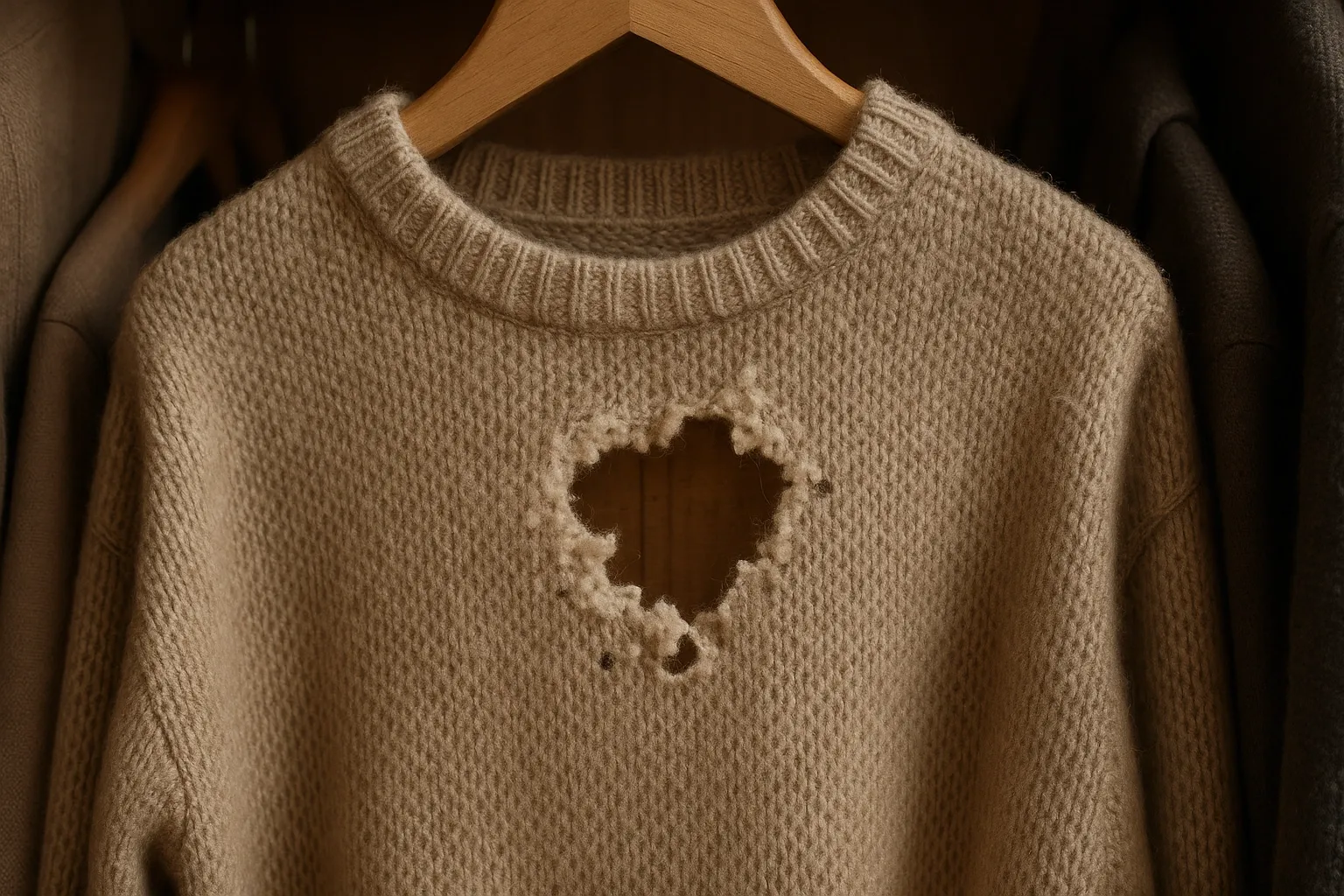
The small moths you see flying are rarely the problem. The real damage is caused by their larvae, which feast on natural fibres (clothes moths) or stored food (pantry moths) in dark, undisturbed areas, leading to significant financial loss and waste.
Clothes moth larvae destroy wool, silk, cashmere, fur, and leather, ruining expensive clothing, rugs, and upholstery.
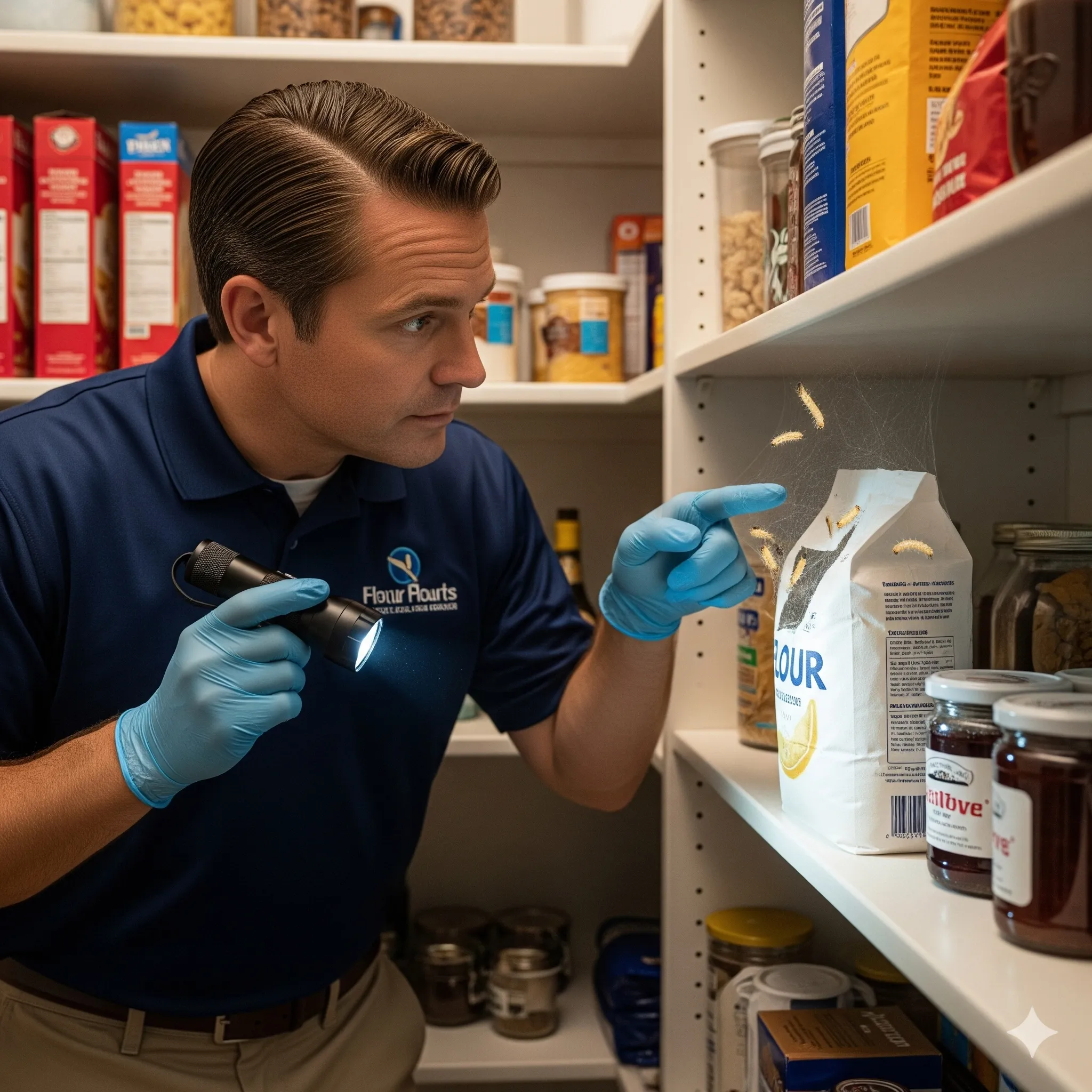
Pantry moth larvae infest grains, cereals, nuts, and spices, contaminating them with webbing and droppings, forcing you to discard food.
Larvae develop in hidden areas like closet corners, under furniture, or deep within food packets, making them extremely difficult to eliminate with DIY methods.
Common Signs
Our Approach
A structured workflow that targets the entire moth lifecycle to stop the damage and prevent future infestations.
We identify the exact moth species and locate all breeding sites, whether in closets, carpets, pantries, or other hidden areas.
We provide clear instructions on removing infested items (food or fabrics) and preparing the area for a safe and effective treatment.
We apply a professional-grade, low-toxicity residual insecticide to cracks, crevices, and surfaces to eliminate the destructive larvae.
We offer advice on proper storage and install pheromone traps to monitor for any future activity for long-term protection.
Low-odor treatments • Safe for use in homes • Guaranteed results
We’re not just another pest control company. Here’s why homeowners and businesses trust us to protect their valuable belongings.
We understand the common moth species and breeding habits in Sydney and Perth homes.
Our treatments are safe for use in wardrobes and pantries, protecting your family and pets.
Our work is backed by a written service warranty.
We’re available around the clock for urgent issues and professional advice.
Proactive storage and cleaning habits our Sydney & Perth customers use to prevent moth infestations.
Always wash or dry-clean clothes, especially woolens, before long-term storage as moths are attracted to stains.
Store seasonal clothing in airtight bags or sealed plastic tubs. Do the same for flour, grains, and cereals.
Frequently vacuum carpets, closets, pantries, and under furniture to remove larvae and eggs.
Place cedar blocks or lavender sachets in drawers and closets as a natural deterrent (not a cure).
Use the "first in, first out" method for pantry items and inspect packages for signs of webbing.
Keep storage areas dry and well-ventilated, as moths thrive in humid conditions.
Do this
Avoid this
Seeing signs of moth damage? Our licensed techs can provide a guaranteed treatment to protect your belongings.
Quick answer
Moths are eliminated by finding and destroying the larval source, because the flying adults do no damage at all. For clothes moths that means treating wardrobes, carpet edges and stored woollens. For pantry moths it means locating the infested product and treating shelving and cracks. A professional moth treatment combines a residual insecticide, pheromone monitoring traps and an insect growth regulator, and costs $200 to $350 for a standard home.
Identification
Most moths that come inside are harmless natives drawn to a light. Only a small number are genuine household pests, and they behave very differently from each other, so identifying which one you have determines the whole treatment.
| Species | Appearance | What the larvae eat | Where to look |
|---|---|---|---|
| Common clothes moth Tineola bisselliella | 6 to 8 mm, plain golden buff, avoids light and scuttles rather than flies | Keratin in wool, cashmere, silk, felt, feathers and fur | Dark wardrobe corners, under heavy furniture, carpet edges, stored blankets |
| Case-bearing clothes moth Tinea pellionella | Similar size, three faint dark spots on the wings | Same as above, and the larva drags a silk case with it | Wall and ceiling junctions in wardrobes, cases look like small grains of rice |
| Indian meal moth Plodia interpunctella | 8 to 10 mm, wings pale at the base and coppery bronze at the tips | Flour, rice, cereal, nuts, dried fruit, pet food, birdseed, chocolate | Pantry shelving, packet seams, silk webbing in corners of the cupboard |
| Angoumois grain moth and warehouse moth | Small, straw coloured to grey brown | Whole grains, stored seed and bulk dry goods | Bulk storage, pet and poultry feed bins, garage shelving |
| Bogong moth and native species | Larger, dark brown, arrives in numbers in spring | Nothing in your home. Larvae live in paddocks | Around lights and windows. Harmless and best excluded rather than treated |
The moth you see is not the one causing damage. Adult clothes moths have no functional mouthparts and never eat fabric. Every hole in a jumper is the work of a larva that hatched weeks earlier. Killing the adults you notice does nothing about the eggs and larvae already in the wardrobe, which is why aerosols give the impression of working and then the damage continues.
Signs
The cost
Handmade wool and silk rugs are among the most expensive items in many homes, and larvae work from the underside where nobody looks. Damage is often discovered only when the rug is lifted for cleaning, by which time the pile is gone in patches.
Wool suits, cashmere, military uniforms, christening gowns and stored blankets are prime targets, particularly if they were put away without cleaning. Larvae are drawn to sweat, food traces and hair products in the fibre.
One infested bag of birdseed or dog biscuits can seed an entire kitchen. Larvae chew through thin plastic and cardboard, so unopened packets are not automatically safe.
Felted underlay, wool insulation batts, feather pillows, mounted specimens and even piano felt all contain keratin and can support a population well away from the wardrobe.
Pricing
| Service | Typical price | Included |
|---|---|---|
| Pantry moth treatment | $200 to $260 | Source identification, shelf and crack treatment, pheromone traps supplied |
| Clothes moth treatment, wardrobes and carpet | $260 to $350 | Wardrobes, carpet edges, under furniture, growth regulator, traps |
| Whole house or multiple rooms | $380 to $550 | All affected rooms plus a follow-up visit at 4 weeks |
| Commercial, retail and warehouse | Quoted on site | Pheromone monitoring programme with trend reporting for audits |
Prevention
Clean before storing. Larvae are drawn to perspiration, food residue and hair product, not to clean wool. Dry clean or wash woollens before they go away for the season.
Store in sealed containers. Airtight boxes or vacuum bags beat garment bags, since larvae chew through thin fabric covers. For the pantry, decant flour, rice and pet food into glass or hard plastic with a good seal.
Freeze what you cannot wash. Seventy-two hours at minus 18 degrees kills every life stage in a knit or a small rug. Seal the item in plastic first so condensation does not damage it.
Move the furniture. Vacuum under beds, sofas and wardrobes monthly and along carpet edges with the crevice tool. Movement and light are what larvae avoid most.
Use pheromone traps as an early warning. They catch males and tell you a population is building long before you find holes. They do not control an infestation on their own.
Help centre
Clothes moths, pantry moths and what actually works. Ask our team.
We offer a full suite of pest control services to protect your property.
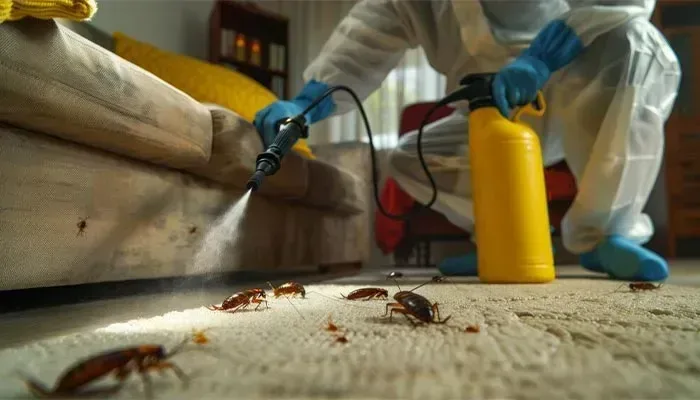
Professional treatments to eradicate cockroaches and prevent their return.
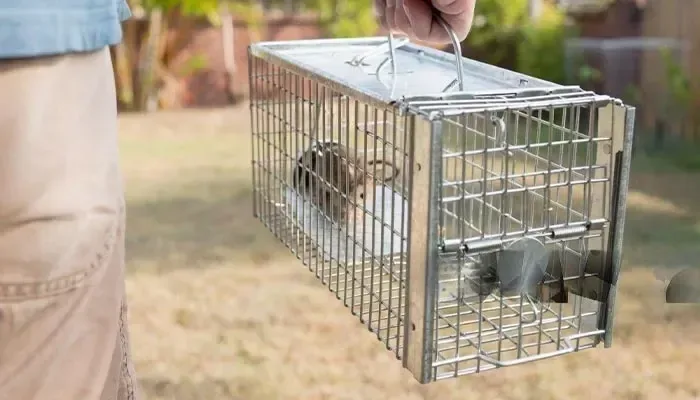
Safe removal and exclusion of rats and mice from your home or business.
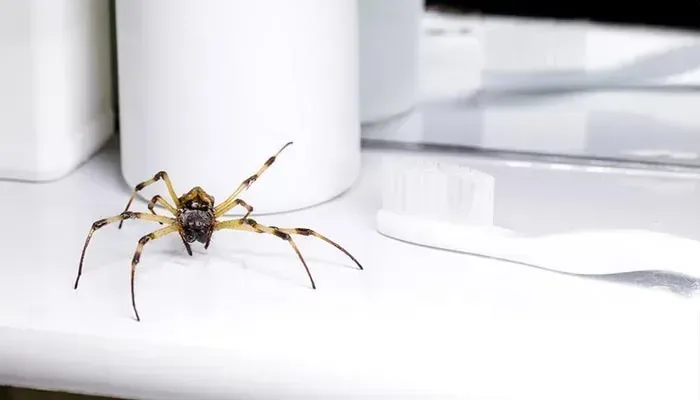
Licensed spider inspections, barriers and treatments.

Targeted solutions to eliminate ant trails and nests from your property.
Speak with our friendly moth control experts or book a free inspection online. We service Sydney, Perth and surrounding areas.
We provide prompt moth control across both cities:
If you’re unsure whether we cover your suburb, contact us and we will get it sorted.