Survey & Species ID
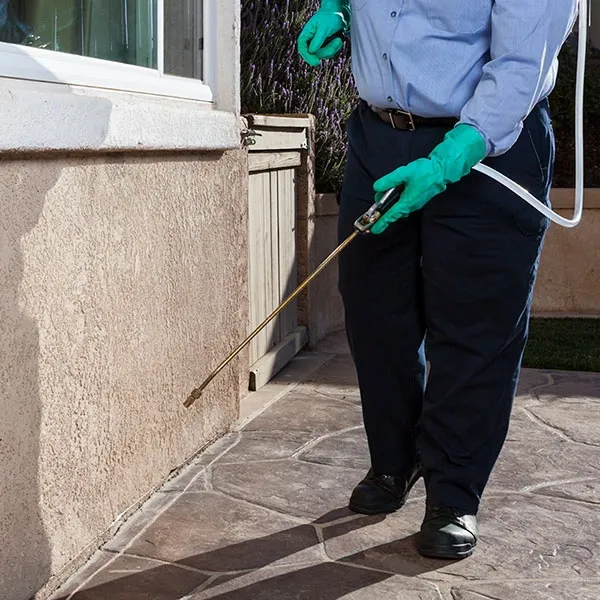
We trace active trails, map entry points and moisture zones, and identify the ant species to choose the most effective products and placement.
- • UV torch & gel baits test points
- • Exterior & food‑prep areas checked
Our licensed team identifies the source of ant infestations and provides safe, long-lasting treatments for homes and businesses across Sydney and Perth.
Ants are social insects. When a few scouts find food in your kitchen or stockroom, they lay chemical trails that can attract hundreds more within hours. Nests are often hidden under slabs, garden edging, roof voids or wall cavities, making DIY sprays a short-term fix at best.
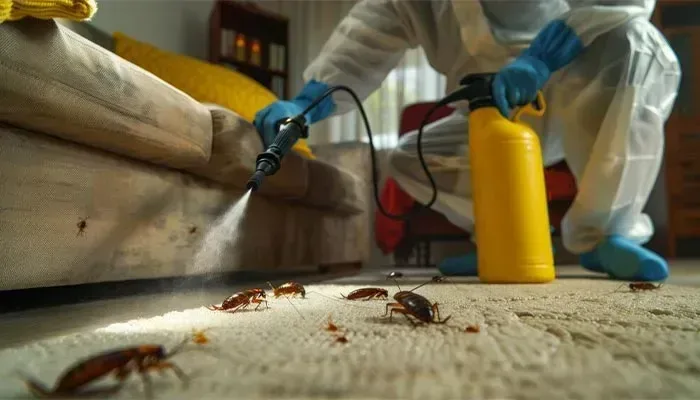
Ants are often found alongside other common household pests such as cockroaches and spiders. If you notice structural wood damage near ant trails, you should also book a professional termite inspection to rule out white ants.
Ant trails lead straight across benches, appliances and packaging, which is not ideal for hygiene or compliance.
Colonies can split and relocate when disturbed. Without locating the nest, activity quickly returns.
Baits, dusts and residuals work differently by species. Accurate ID = faster, longer-lasting results.
Common Signs
Our Approach
A clean, science‑led workflow that targets the nest, stops the trail, and keeps ants from coming back.
We trace active trails, map entry points and moisture zones, and identify the ant species to choose the most effective products and placement.
We tailor a nest‑first plan using a combination of professional baits, dusts or non‑repellent residuals to ensure the colony takes the treatment back.
We place baits at trail junctions, treat voids and apply discrete perimeter barriers around slab edges, pavers and weep holes to block re‑entry.
We re‑check activity, top up baits if needed and provide a practical prevention checklist to keep the colony from returning.
Low‑odor, low‑mess treatments • Family & pet friendly • Same‑day bookings
We’re not just another pest control company. Here’s why homeowners and businesses trust us.
We understand the unique ant species and conditions in Sydney and Perth.
Our treatments are safe for your family, pets and the environment.
We stand behind our services with satisfaction guarantees.
We’re available around the clock for emergencies and advice.
Quick housekeeping steps our Sydney & Perth customers use to stop trails and protect food areas.
Wipe crumbs and spills, rinse dishes, and store bench foods in sealed containers.
Silicone or gap sealant around doors, windows, weep holes and service pipes.
Sweep under appliances, empty bins daily, and keep pet bowls clean overnight.
Fix drips, improve ventilation and avoid standing water in pot saucers.
Keep branches and garden beds off walls; remove honeydew‑prone aphids.
Use airtight tubs for sweets and pet food; elevate cardboard off floors.
Do this
Avoid this
Seeing fresh trails? Our licensed techs can identify the species and treat the nest for lasting results.
Quick answer
Ants are removed permanently by treating the colony, not the trail. A licensed technician identifies the species, applies a non-repellent gel or granular bait that worker ants carry back to the queen, and then seals entry points and treats an external perimeter band. Surface sprays alone fail because they kill foragers while the nest keeps producing more. A professional ant treatment in Sydney or Perth typically costs $150 to $280 and holds for 6 to 12 months.
Identification
Species drives the treatment. Sugar-feeding ants take a sweet gel bait, protein feeders ignore it, and some species split their nests when sprayed. Our technicians identify the ant before anything is applied, which is the single biggest reason our treatments outlast supermarket products.
| Species | How to recognise it | Where it nests | Treatment approach |
|---|---|---|---|
| Black house ant Ochetellus glaber | Shiny black, 2.5 to 3 mm, moves in tight single-file trails | Wall cavities, under pavers, in roof insulation | Sweet gel bait indoors plus a non-repellent external band |
| Coastal brown ant Pheidole megacephala | Two sizes in the same trail, including large-headed soldiers, light brown | Sandy soil, pushes fine soil mounds through paving joints | Protein and lipid granular bait, never a repellent spray |
| Argentine ant Linepithema humile | Uniform light brown, 2 to 3 mm, huge trails with no fighting between nests | Supercolonies spanning several neighbouring properties | Sustained liquid baiting over weeks, ideally with neighbours treated too |
| White-footed house ant Technomyrmex difficilis | Black body with pale yellowish feet, very high numbers | Wall voids, kitchen cabinetry, subfloor pipework | Slow-acting bait only, since sprays cause the colony to bud |
| Bull ant Myrmecia species | Large, 10 to 25 mm, orange jaws, aggressive and jumps toward movement | Ground nests with a gravel crater, often near gum trees | Direct nest injection, since bull ants do not share baits |
| Green-head ant Rhytidoponera metallica | Metallic green-purple sheen, 5 to 7 mm, painful sting | Lawns, garden beds, driveway edges | Targeted lawn and nest treatment rather than indoor baiting |
| Singapore ant Monomorium destructor | Small, yellow-brown with a darker abdomen, chews soft materials | Cavity walls, and it damages electrical insulation and irrigation lines | Multi-visit baiting programme with cavity dusting |

Red imported fire ant warning. Fire ants (Solenopsis invicta) are a notifiable biosecurity pest in Australia. If you find a loose, fluffy soil mound with no visible entry hole and the ants swarm aggressively when it is disturbed, do not treat it. Report it to the relevant state biosecurity hotline and call us for identification support.
Why it matters
Ants are treated as a nuisance until they cause a real problem. These are the four we are called out for most often across Sydney and Perth.
Ants forage across drains, bins and pet bowls before reaching your bench. They carry Salmonella and Staphylococcus on their bodies. For a cafe or food business, a visible trail during an inspection can trigger an improvement notice from council.
Singapore ants and coastal brown ants nest inside switchboards, air conditioning units and dishwashers. Bodies bridge contacts and cause short circuits. Electricians in Western Sydney and Perth regularly trace nuisance tripping back to an ant nest.
Bull ant and jack jumper stings send Australians to hospital every summer. Jack jumper venom is a known cause of anaphylaxis, particularly in Tasmania and cooler parts of Victoria, and bull ant nests near a play area are a genuine risk for young children.
Coastal brown ants excavate sand from under pavers and slabs. Over a season this leaves hollow voids, pavers rock underfoot, and edges drop. Repointing a mid-size patio costs far more than the treatment that would have prevented it.
Pricing
Prices below are typical ranges including GST for a standard residential property. Your quote is fixed before we start, and there is no callout fee on top.
| Service | Typical price | What is included |
|---|---|---|
| Single indoor ant treatment | $150 to $190 | Species ID, gel baiting of active trails, entry point advice |
| Internal and external ant package | $210 to $280 | Indoor baiting, perimeter band, subfloor and roof void inspection, 6 month warranty |
| General pest package with ants included | $280 to $360 | Ants, cockroaches and spiders in one visit, 12 month warranty |
| Bull ant or green-head ant nest treatment | $140 to $220 | Nest location, direct injection, follow-up check at 14 days |
| Commercial or strata ant programme | Quoted on site | Scheduled baiting rounds, food safety documentation, service reports |
Prices vary with property size, storey height, the number of nests found, and how much of the roof void or subfloor needs access. Argentine ant supercolonies and Singapore ant infestations usually need two or three visits and are quoted as a programme.
Seasonal patterns
Ant pressure follows weather more closely than any other domestic pest. Knowing the cycle tells you when to bait and when to expect a second wave.
Colonies wake and send out winged reproductives. This is when you see flying ants after a warm afternoon. Baiting now removes the colony before summer numbers build.
Peak foraging. Dry heat drives ants indoors to kitchen sinks, bathrooms and pet bowls looking for moisture. Trails appear overnight along skirting and window frames.
Colonies switch from sugars to protein and fat as they store reserves. Sweet baits that worked in January stop being taken, which is why many DIY attempts fail in autumn.
Nests move into warm cavities, behind ovens, near hot water systems and into roof insulation. Heavy rain also floods ground nests and pushes whole colonies inside within a day.
Your treatment day
Ten minutes of preparation makes a measurable difference to how fast the bait is taken.
Help centre
Answers to what Sydney and Perth customers ask us most. Still stuck? ask our team.
We offer a full suite of pest control services to protect your property.
Professional treatments to eradicate cockroaches and prevent their return.
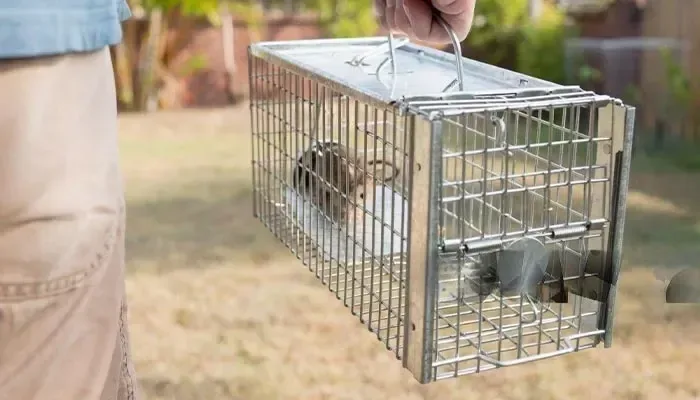
Safe removal and exclusion of rats and mice from your home or business.
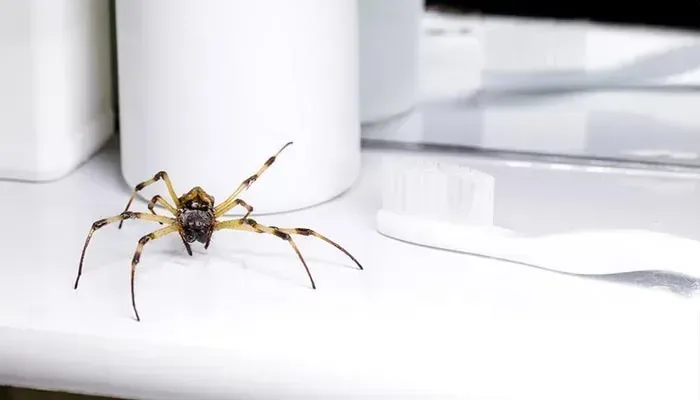
Licensed spider inspections, barriers and treatments.
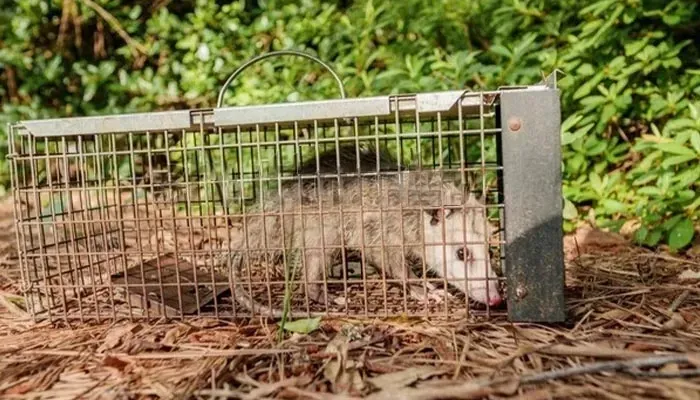
Expert removal of Possum and advice to keep them away.
Speak with our friendly team or book a free inspection online. We service Sydney, Perth and surrounding areas.
We provide prompt ant control across both cities:
If you’re unsure whether we cover your suburb, contact us and we will get it sorted.