
1
Thorough Termite Inspection
We map termite activity with moisture meters, sounding tools and thermal imaging to locate entry points, nests and the scale of infestation.
Our licensed technicians deliver detailed termite inspections in Sydney & Perth, targeted termite treatments throughout Perth and durable termite protection for Perth homes and commercial sites.
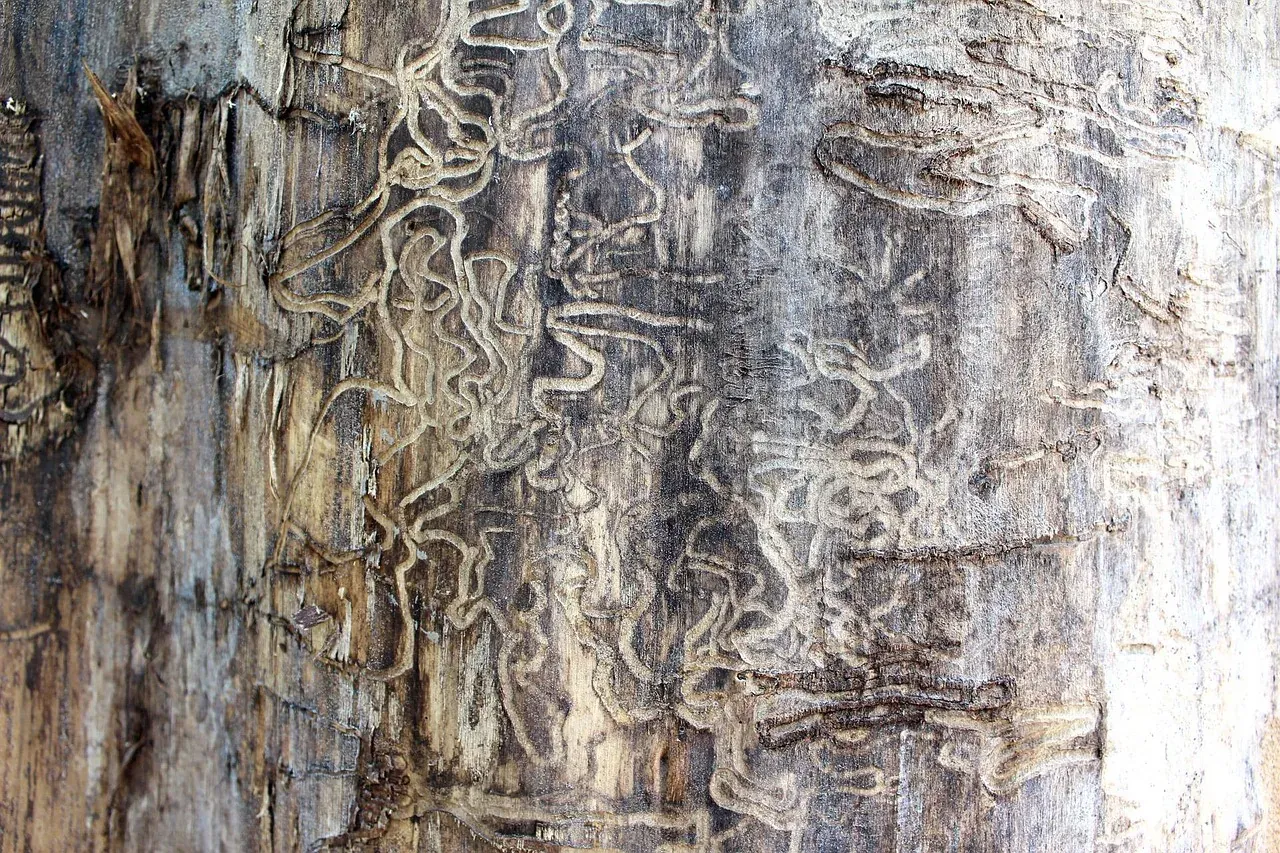
Termites (white ants) quietly consume timber framing, skirtings and flooring from the inside out. One in three Australian homes is attacked, and most insurance policies exclude termite damage, making proactive protection essential.
Because termites operate silently, it is vital to spot infestations early. Read our guide on the 9 early termite warning signs home owners miss. For other timber-destroying pests, we also provide specialized wood borer treatment.
Termites hollow out beams and joists while leaving paint intact, causing sagging floors, door misalignment and costly structural repairs.
Termite damage is rarely covered by home insurance and can breach timber pest compliance for sales, rentals and commercial tenancies.
Queens lay thousands of eggs weekly, allowing colonies to spread through wall cavities, retaining walls and landscaping if left untreated.

Common Signs
Our Approach
We combine advanced diagnostics with Australian Standard AS3660.2 treatments to eliminate active colonies across Sydney and Perth, then lock down your property against future termite activity.
We map termite activity with moisture meters, sounding tools and thermal imaging to locate entry points, nests and the scale of infestation.
We design an AS3660-compliant solution combining dusting, foaming or baiting with soil treatments to eliminate the colony and protect vulnerable structures.
We install chemical soil barriers, reticulation systems or in-ground bait stations to cut off foraging termites and provide long-term protection.
Scheduled follow-up inspections confirm termite activity is eliminated and that barriers remain active, all backed by written service warranties.
Australian Standards treatments • Licensed & insured technicians • Long-term warranties
We’re not just another pest control company. Here’s why Australian homeowners and facility managers choose us for termite protection.
We understand subterranean termite species and construction methods unique to Sydney and Perth suburbs.
Our technicians hold WA & NSW timber pest licences and deploy APVMA-approved products in line with Australian Standards.
Enjoy written warranties on baiting systems, chemical barriers and annual inspection programs tailored to your property.
We’re available around the clock for urgent termite discoveries, pre-purchase advice and strata reporting.
Moisture control and routine inspections reduce the likelihood of termite attack on Australian homes, strata complexes and investment properties.
Repair leaking pipes, clear gutters and divert water away from footings so termites can’t access damp soil.
Keep soil, mulch and garden beds below slab edges and ensure weep holes remain visible for easy monitoring.
Raise firewood, sleepers and cardboard boxes on racks so termites can’t establish hidden feeding points.
Clear vents and consider mechanical ventilation in damp areas to keep humidity levels unfavourable for termites.
Book professional timber pest inspections every 12 months (or six in high-risk zones) to detect activity early.
Use treated or inorganic mulches and keep them thin so they don’t cover weep holes or trap moisture.
Found mud tubes or hollow timber? Book a same-day termite inspection before costly structural repairs are required.
Quick answer
Active termites are treated first with a non-repellent transfer product or an in-ground baiting system that the workers carry back to eliminate the colony. Once the colony is gone, a chemical soil barrier or a monitored bait perimeter is installed to Australian Standard AS 3660.2 to stop the next colony. A timber pest inspection costs $250 to $450, colony elimination runs $1,500 to $3,500, and a full barrier is $2,200 to $5,000 depending on the size of the building.
Do not disturb active termites. Breaking open a mud lead or spraying it makes the colony retreat and re-route, which turns a treatable job into a search. Cover it back up and call us.
Identification
Around 350 termite species live in Australia and only a handful attack buildings. The species determines how aggressive the damage is, how far the colony can forage, and which treatment will actually reach the nest.
| Species | Where it occurs | Nest and foraging range | Damage risk |
|---|---|---|---|
| Coptotermes acinaciformis | Sydney, Perth and most of mainland Australia | Nests in tree stumps, under slabs or inside wall cavities, forages up to 100 m | Extreme. Responsible for the majority of severe structural damage claims |
| Schedorhinotermes intermedius | Coastal NSW and Queensland, common across Sydney | Nests in stumps, logs and fill under buildings, two distinct soldier sizes | Very high. Damage is often extensive before it is found |
| Nasutitermes walkeri | Eastern seaboard, wetter Sydney suburbs | Arboreal nests in trees, snouted soldiers with a pointed head | Moderate. Attacks damp and decayed timber more than sound framing |
| Heterotermes ferox | Widespread, including Perth metro | Small colonies in fences, decking, garden timbers and landscaping sleepers | Moderate. Usually attacks weathered outdoor timber first |
| West Indian drywood termite Cryptotermes brevis | Notifiable pest, found in parts of Queensland | Lives entirely inside dry timber with no soil contact, ejects gritty faecal pellets | High. Must be reported to state biosecurity if suspected |
Termites or flying ants? Termite alates have four wings of equal length, a straight waist and straight antennae. Flying ants have a pinched waist, bent elbow antennae, and front wings noticeably longer than the rear pair. Discarded wings on a windowsill after a humid evening usually mean a colony is nearby and has just swarmed.
Warning signs
Termites work inside the timber and leave the outer surface intact, so damage is normally advanced before anything is visible. These are the signals worth acting on.
Pencil-width to hand-width tubes of mud running up piers, foundation walls and into the subfloor. They protect workers from light and dry air.
Tapping a skirting board or architrave gives a hollow drum sound, and a screwdriver pushes through the surface with almost no resistance.
Blistering plaster and paint that looks like water damage, with no leak to explain it. Moisture from termite workings pushes the surface out.
Frames jam suddenly out of season because the timber behind them has been eaten and the frame has dropped or swollen.
Small piles of translucent wings around windows, light fittings and in spider webs after a warm humid evening from November to February.
Soldiers bang their heads against the gallery walls to signal danger. In a quiet house you can sometimes hear it through the plaster.
Springy floorboards, a dipping cornice line, or a wet patch in a ceiling near an internal wall where the top plate has been eaten out.
Soft fence posts, retaining wall sleepers, tree stumps and stored firewood are usually where a colony establishes before it moves to the house.
Treatment and pricing
Every treatment we install complies with Australian Standard AS 3660.2 and comes with a durable notice fixed at the meter box recording the product, date and next inspection due.
| Treatment | Typical price | Best suited to |
|---|---|---|
| Timber pest inspection with thermal and moisture imaging | $250 to $450 | Annual checks, pre-purchase due diligence, confirming suspected activity |
| Colony elimination with a non-repellent transfer product | $1,500 to $3,000 | Live termites found in the building, where workings can be treated directly |
| In-ground baiting station system | $2,000 to $3,500 plus annual monitoring | Homes where drilling is not practical, or where the nest cannot be located |
| Chemical soil barrier, full perimeter | $2,200 to $5,000 | Long-term protection after colony elimination, and for slab-on-ground homes |
| Physical barrier at construction stage | Quoted per plan | New builds, extensions and slab penetrations, installed before the pour |
Price depends on the linear metres of perimeter, whether paving and concrete need drilling and patching, the subfloor type, and how much of the structure is already affected. Standard home insurance in Australia does not cover termite damage, which is why an annual inspection is the cheapest part of the whole equation.
Prevention
Most of the conditions that draw termites to a house are created by landscaping and drainage rather than the building itself.
Leaking taps, air conditioner condensate discharging at the wall, blocked downpipes and garden beds that hold water all create the damp soil termites need. Fixing drainage is the single most effective preventive step.
Soil, mulch or paving built up above the damp-proof course lets termites enter concealed, bypassing the inspection zone entirely. Keep at least 75 mm of exposed slab edge visible around the whole building.
Sleeper retaining walls, fence posts, stored firewood, offcuts under the house and old stumps are all colony starting points. Remove them or keep them clear of the ground on a stand.
Vents covered by garden growth, new paving or an added deck let humidity build under the floor. Damp, dark and still is precisely the environment a colony needs to work undetected.
Help centre
Straight answers on inspections, barriers, cost and insurance. Need advice on your property? contact our timber pest team.
We offer a full suite of pest control services to protect your property.
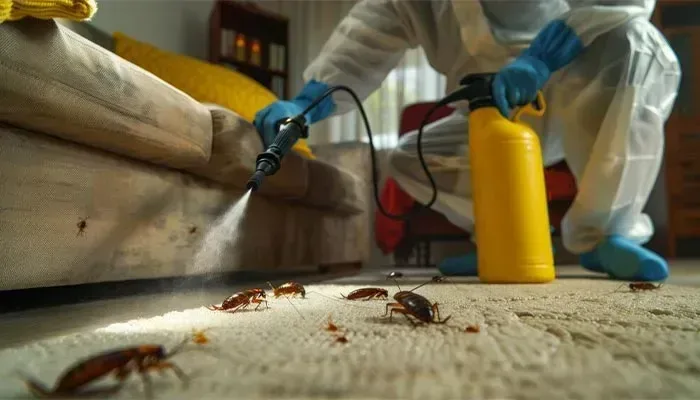
Professional treatments to eradicate cockroaches and prevent their return.
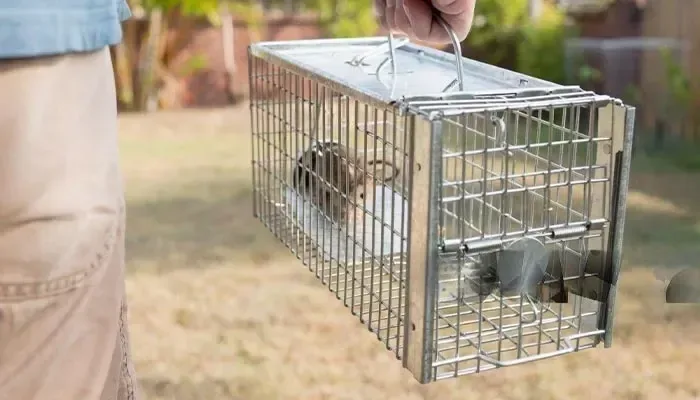
Safe removal and exclusion of rats and mice from your home or business.
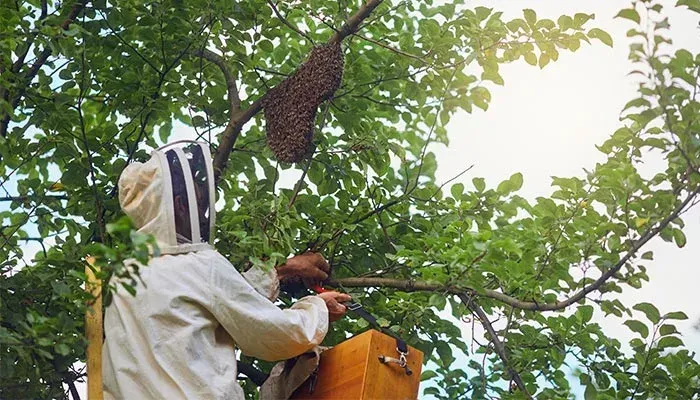
Humane removal of bees and wasps to ensure your family's safety.
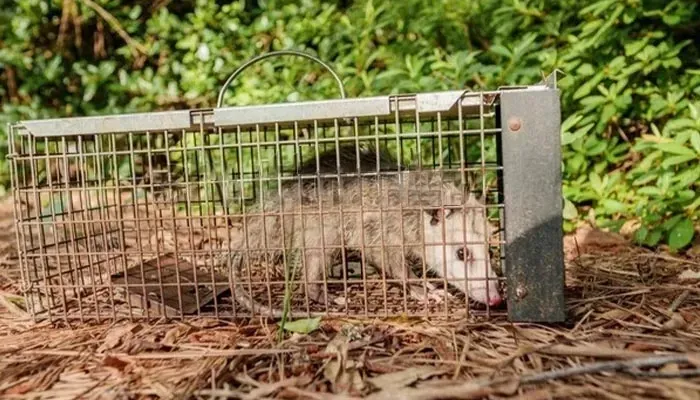
Expert removal of Possums and advice to keep them away.
Speak with our licensed termite specialists or book a free quote online. We service Sydney, Perth and surrounding regions.
We provide rapid termite inspections and treatments across each region:
If you’re unsure whether we cover your suburb, contact us and we will get it sorted.