
1
Survey & Assessment
We inspect your home to identify flea hotspots, focusing on pet resting areas, carpets, rugs, and furniture.
Our licensed team targets the entire flea lifecycle with safe, effective treatments for carpets, bedding, and yards, protecting your family and pets across Sydney and Perth.
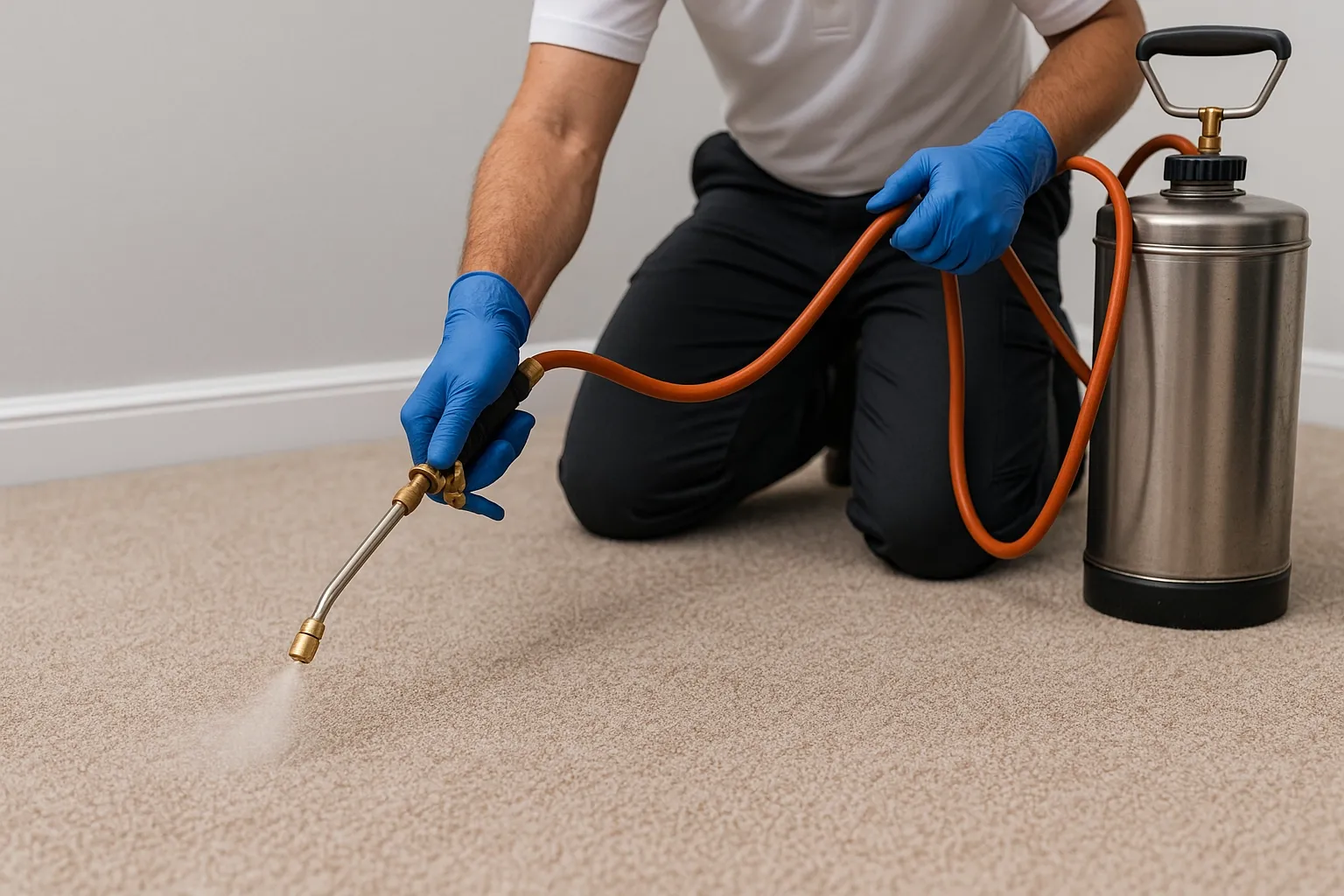
The adult fleas you see on your pet represent only 5% of the total infestation. The other 95% of the population (eggs, larvae, and pupae) are hidden in your carpets, furniture, and bedding. DIY treatments often fail because they don't break this persistent lifecycle.
Flea bites cause intense itching and dermatitis. They can also transmit tapeworms to pets and cause anemia in severe cases, while humans suffer from painful bites.
A single female flea can lay up to 50 eggs per day, leading to thousands of new fleas in just a few weeks if the lifecycle isn't broken.
The flea pupa (cocoon) is resistant to most insecticides and can lie dormant for months, causing re-infestations long after you think the problem is solved.

Common Signs
Our Approach
A thorough, integrated workflow that targets all stages of the flea lifecycle to break the cycle and provide lasting relief.
We inspect your home to identify flea hotspots, focusing on pet resting areas, carpets, rugs, and furniture.
We create a plan that includes treating your home and coordinating with you for the simultaneous treatment of your pets by a veterinarian.
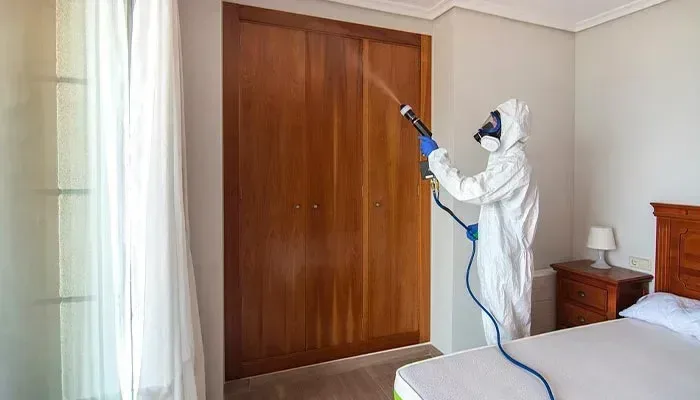
We apply a pet-safe, low-toxicity spray combined with an Insect Growth Regulator (IGR) to all floors, carpets, and furnishings to kill adults and stop larvae developing.
We provide a detailed prevention plan, including advice on vacuuming to stimulate pupae hatching, and can schedule a follow-up visit if required.
Low‑odor treatments • Family & pet friendly • Same‑day bookings
We’re not just another pest control company. Here’s why homeowners and businesses trust us to protect their families and pets.
We understand the flea species and conditions common to homes in Sydney & Perth and Perth.
Our treatments are selected for maximum effectiveness and safety for your family and pets.
Our work is backed by a written service warranty.
We’re available around the clock for emergencies and advice.
Proactive steps our Sydney & Perth customers use to make their homes an unwelcome place for fleas.
Use a vet-recommended flea preventative on your pets all year round. This is your first line of defense.
Thoroughly vacuum carpets, floors, and furniture at least once a week, and dispose of the bag outside.
Regularly wash all pet bedding, blankets, and your own bedding on a hot cycle to kill all flea stages.
Keep your lawn mowed short and remove leaf litter and debris where fleas and wildlife can hide.
Ensure any visiting pets are also up-to-date on their flea treatments before they enter your home.
If you spot a single flea, begin this prevention routine immediately to stop it escalating.
Do this
Avoid this
Losing the battle against fleas? Our licensed techs can break the cycle with a guaranteed treatment.
Quick answer
Fleas are eliminated by treating the house and the pet at the same time. Only about 5 per cent of a flea population is on the animal. The other 95 per cent is eggs, larvae and pupae in carpet, bedding, subfloor and soil. A professional treatment applies an adulticide plus an insect growth regulator that stops eggs and larvae developing, and costs $200 to $320 for a standard home. Vacuuming daily for two weeks afterwards is what triggers the remaining pupae to hatch into the treatment.
The science
Understanding the four stages explains why fleas seem to come back a week after you treat them, and why treating only the pet never works. The cat flea, Ctenocephalides felis, is the species behind almost every Australian household infestation, including on dogs.
| Stage | Share of population | Where it is | Response to treatment |
|---|---|---|---|
| Eggs | About 50 per cent | Laid on the pet, then fall into carpet, bedding, lawn and subfloor soil | Prevented from developing by the growth regulator |
| Larvae | About 35 per cent | Deep in carpet pile, cracks between floorboards, under furniture | Killed by the residual and the growth regulator |
| Pupae | About 10 per cent | Sealed in a sticky cocoon coated in carpet fibre and dust | Protected from insecticide. Hatches when it senses vibration, warmth and carbon dioxide |
| Adults | About 5 per cent | On the pet, or questing in carpet near where the pet sleeps | Killed on contact with the treated surface |
This is why you vacuum after treatment, not before it only. Pupae are the one stage insecticide cannot reach, and they can stay dormant for months. The vibration and warmth of a vacuum cleaner tells them a host has arrived, so they hatch straight into the treated carpet and die. Vacuuming daily for 14 days is part of the treatment, not an optional extra. It also explains why a house left empty over the holidays greets returning owners with a wave of fleas at the front door.
Signs
Health
The most common skin disease in Australian cats and dogs. Sensitive animals react to proteins in flea saliva, so a single bite can trigger days of intense itching, raw skin and secondary infection that needs veterinary treatment.
Fleas carry the larval stage of Dipylidium caninum. A pet that swallows an infected flea while grooming develops tapeworm, which is why vets recommend worming after any flea infestation.
A heavy infestation on a kitten or puppy causes serious blood loss. Pale gums and lethargy in a young animal with fleas is a veterinary emergency, not something to treat at home.
Fleas spread Bartonella henselae between cats, which causes cat scratch disease in people. Flea-borne typhus has also been recorded in parts of Western Australia, associated with rodents and their fleas.
Pricing
| Service | Typical price | Included |
|---|---|---|
| Unit or apartment | $200 to $250 | Internal carpet, floor and soft furnishing treatment with growth regulator |
| Standard house, internal and external | $260 to $320 | Adds subfloor, lawn, garden beds and pet sleeping areas |
| Vacant property or end of lease | $220 to $300 | Written treatment certificate for agents and landlords |
| Severe infestation with follow-up | $380 to $480 | Two visits 14 days apart for long-standing or vacant property infestations |
Most rental agreements in New South Wales and Western Australia require a tenant who kept a pet to have the property professionally treated for fleas at the end of the lease. We provide a dated certificate listing the products and APVMA numbers used.
Preparation
Seasonality
Flea development is driven by humidity and temperature. Between about 21 and 32 degrees with humidity above 70 per cent, the full cycle from egg to adult takes as little as 14 days.
Pupae that stayed dormant through winter hatch as soon as the weather warms. Households that had no fleas in August are often overrun by early October.
Sydney's humid summer is close to ideal for fleas. Perth's drier heat slows outdoor development, so the infestation concentrates indoors in air-conditioned rooms and shaded subfloors.
Coming home from a break to a sudden flea problem is common. Pupae accumulate in an empty house, then hatch en masse the moment vibration and body warmth return.
Heated homes keep the cycle running all winter, particularly in carpeted bedrooms and near the pet's bed. Fleas do not simply die off in the cold if the house stays warm.
Help centre
Answers for pet owners, tenants and landlords. Ask our team.
We offer a full suite of pest control services to protect your property.
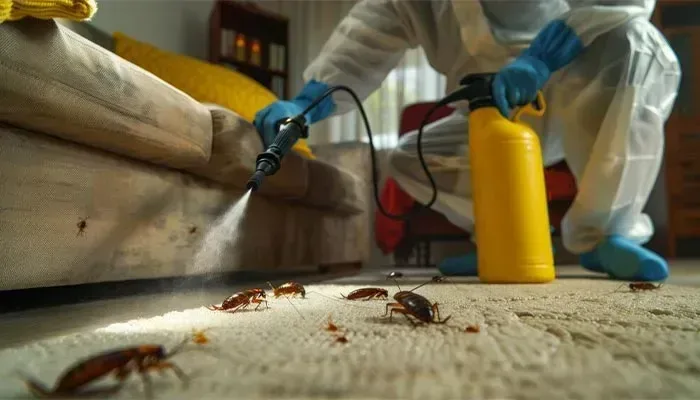
Professional treatments to eradicate cockroaches and prevent their return.
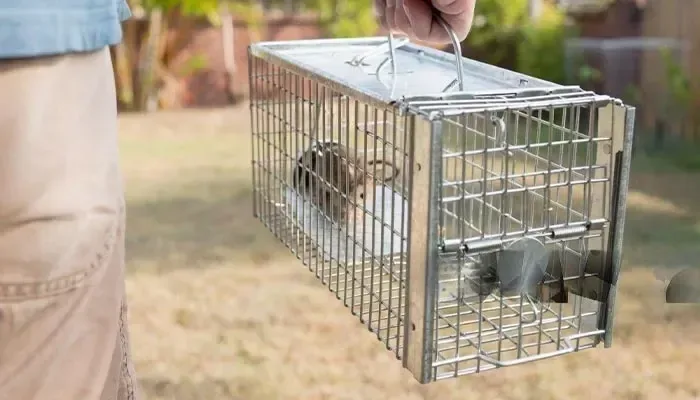
Safe removal and exclusion of rats and mice from your home or business.
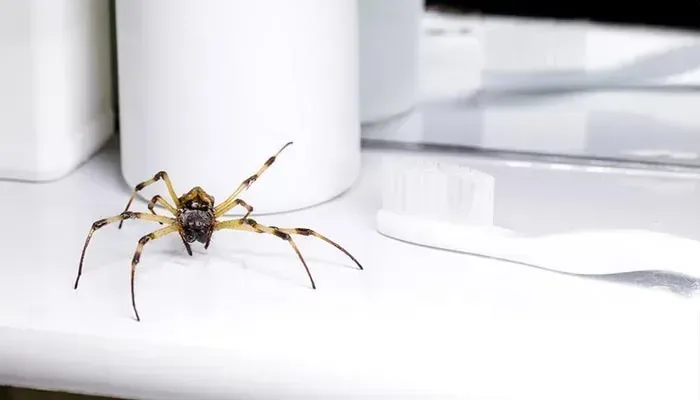
Licensed spider inspections, barriers and treatments.
Discreet and effective treatments to completely eliminate bed bugs.
Speak with our friendly team or book a guaranteed flea treatment online. We service Sydney, Perth and surrounding areas.
We provide prompt flea control across both cities:
If you’re unsure whether we cover your suburb, contact us and we will get it sorted.