
1
Thorough Inspection
We identify silverfish hotspots by inspecting dark, humid areas like roof voids, subfloors, bathrooms, laundries, and storage areas.
Our licensed technicians use safe, targeted treatments to eliminate silverfish infestations, preventing irreversible damage to books, photos, clothing, and wallpaper.
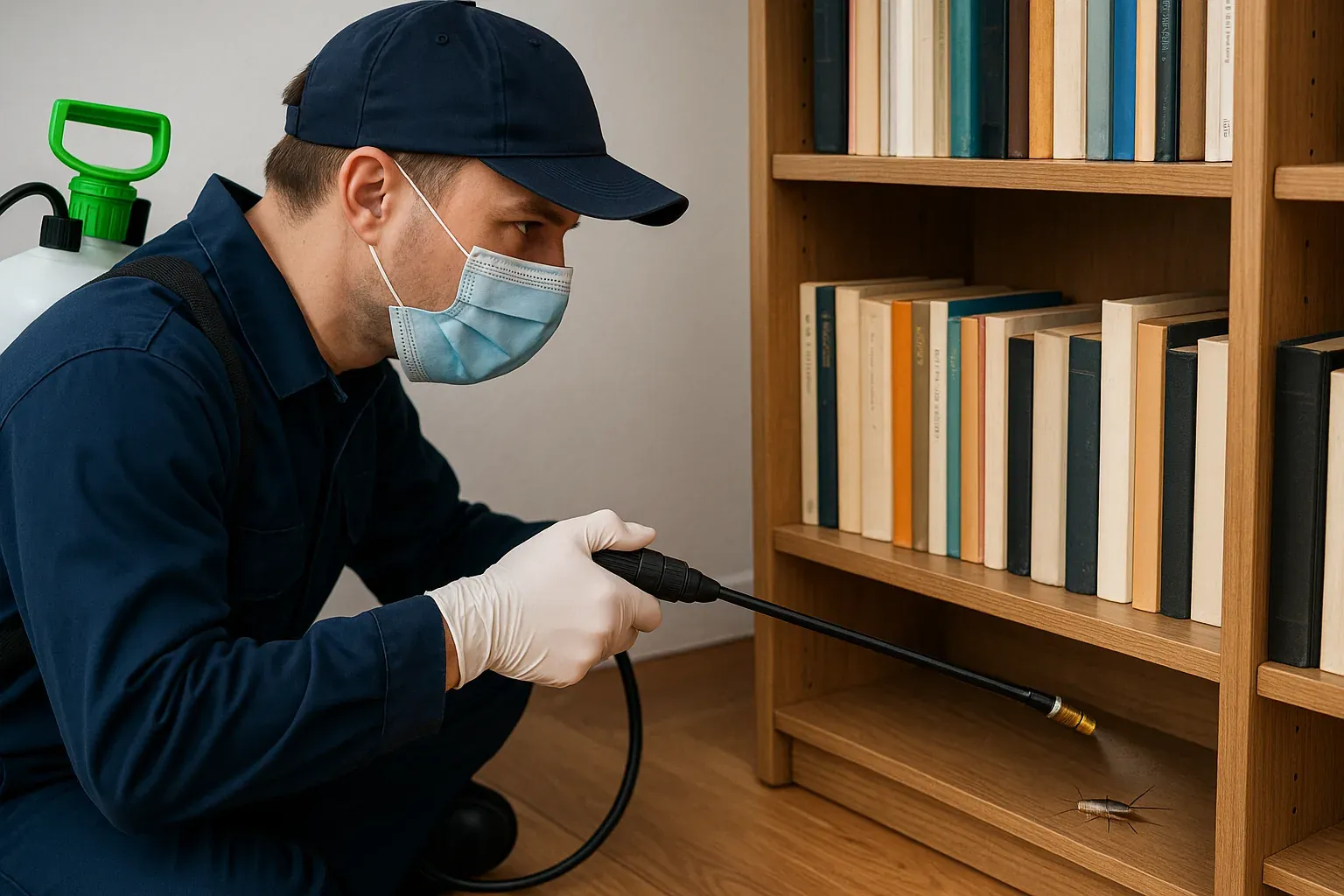
Silverfish are nocturnal, moisture-loving insects that thrive in dark, humid areas of your home like bathrooms, basements, and kitchens. They feed on starches and cellulose, silently destroying irreplaceable items and signalling potential underlying dampness issues.
They consume paper, glue, and textiles, causing damage to books, documents, photographs, wallpaper, and natural-fibre clothing.
A significant silverfish population is a strong sign of excess humidity or a water leak, which can lead to more severe problems like mould.
They can contaminate food sources like flour and cereals, and their shed scales can contribute to household dust and trigger allergies.
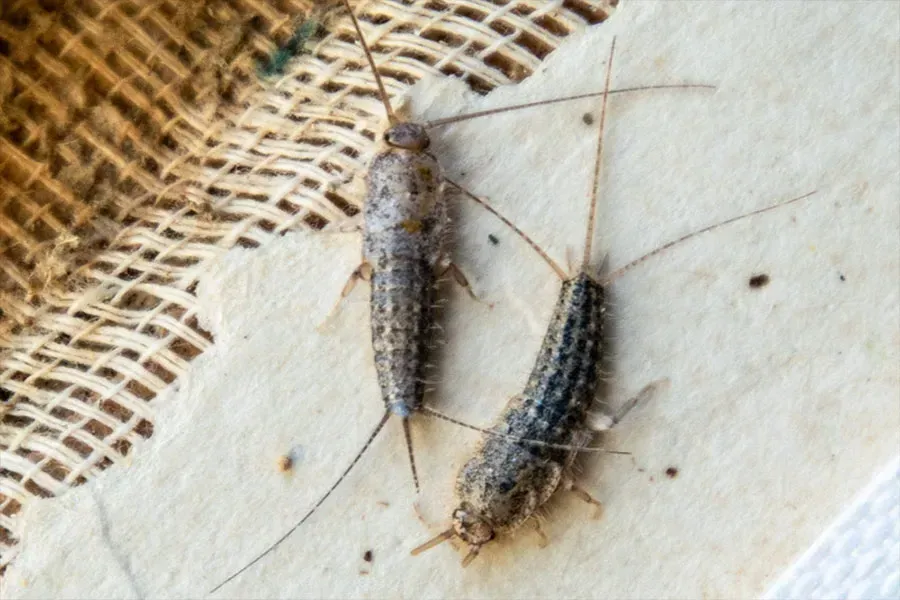
Common Signs
Our Approach
Our treatment targets the root cause, not just the pests you can see, to stop infestations from coming back.
We identify silverfish hotspots by inspecting dark, humid areas like roof voids, subfloors, bathrooms, laundries, and storage areas.
We apply a professional-grade, low-toxicity insecticidal dust or surface spray directly into cracks, crevices, and voids where silverfish hide and breed.
We identify and provide actionable advice on controlling the moisture sources that attract silverfish, such as improving ventilation and fixing leaks.
We offer expert tips on storage, cleaning, and exclusion to help you keep your property silverfish-free long after our visit.
Family & pet-safe solutions • Warranty included • Sydney & Perth wide service
Protecting your property takes a team that understands where silverfish actually live and treats the voids rather than the room.
We don't just spray randomly. We focus on silverfish habitats for maximum effectiveness and minimal chemical use.
Your safety is our priority. We use approved, low-toxicity products that are safe for your family and pets.
We go beyond extermination by providing expert advice to help you control the moisture that attracts silverfish.
Our treatments come with a warranty, giving you peace of mind that your silverfish problem is solved.
Simple, proactive steps our Sydney & Perth customers can take to deny silverfish the damp conditions they need to survive.
Use dehumidifiers in damp areas and ensure bathrooms and kitchens are well-ventilated.
Caulk cracks around baseboards, windows, and pipes to eliminate entry points and hiding spots.
Keep old books, documents, and clothing in sealed, airtight containers, not cardboard boxes.
Frequently vacuum carpets, rugs, and upholstery to remove food particles and silverfish eggs.
Address any leaking pipes, taps, or roofing issues immediately to eliminate moisture sources.
Remove old stacks of magazines, newspapers, and cardboard boxes that provide food and shelter.
Do this
Avoid this
Quick answer
Silverfish are eliminated by treating the voids where they live and removing the humidity they depend on. A technician applies an insecticidal dust into the roof void, wall cavities and subfloor, then treats bookshelves, wardrobes, skirting and cupboard interiors with a residual. Because silverfish need relative humidity above roughly 75 per cent, fixing ventilation and leaks is what keeps them gone. Treatment costs $180 to $300 and protects for 6 to 12 months.
Identification
Silverfish, Lepisma saccharina, are wingless insects with a flattened, tapering body, metallic scales and three tail filaments. They are among the oldest insect groups on earth, and several of their traits make a casual spray almost useless.
Silverfish live three to six years and keep moulting throughout adult life, sometimes more than fifty times. A population builds slowly and quietly, so by the time you notice them the numbers in the roof void are already large.
Given enough humidity, a silverfish can go around twelve months without eating. Clearing out the paper and cardboard helps, but it does not starve them out on any useful timescale.
The insects you see on the bathroom floor are a small fraction of the population. The rest sits in the roof void, wall cavities and subfloor, which is why surface sprays in the room change very little.
Silverfish move quickly and avoid light, feeding at night on starches, sugars, paper sizing and glue. Most sightings happen when someone turns the bathroom light on after midnight.
| What they damage | Why | Where you find it |
|---|---|---|
| Books and documents | They feed on the starch sizing in paper and the glue in bindings | Bookshelves, filing boxes, stored certificates and photo albums |
| Wallpaper and paint | Paste behind wallpaper is a preferred food, leaving grazed patches and lifted seams | Bathrooms, laundries and older homes with wallpapered walls |
| Clothing and linen | They target starch, food stains and body oils rather than the fibre itself | Stored cotton, rayon and linen, particularly items put away unwashed |
| Stored dry goods | Flour, rolled oats, pasta and pet food are all starch sources | Pantry corners, under shelf liners, inside opened packets |
| Cardboard and insulation backing | Paper facing on plasterboard and batts gives food and shelter together | Roof voids, garages, storage boxes stacked against walls |
Root cause
Silverfish cannot maintain their body moisture in dry air. Bring the humidity down and the population cannot sustain itself, whatever else you do.
Run the bathroom exhaust fan for twenty minutes after every shower and check that it vents outside rather than into the roof void, which is a very common fault in Australian homes and one of the biggest causes of a silverfish problem in the ceiling.
Clear vegetation and stored material from subfloor vents, correct drainage that pools against the building, and consider a subfloor fan where the space stays damp. Damp subfloors also invite termites and cockroaches.
Move boxes off concrete floors onto shelving, swap cardboard for sealed plastic tubs, and put a moisture absorber in wardrobes on external walls. Coastal Sydney and riverside Perth suburbs need this most.
Pricing
| Service | Typical price | Included |
|---|---|---|
| Unit or apartment treatment | $180 to $230 | Internal residual to cupboards, skirting, bathroom and wardrobe voids |
| House treatment with roof void dusting | $240 to $300 | Roof void dust, wall cavity injection, internal residual, 12 month warranty |
| General pest package | $280 to $360 | Silverfish, cockroaches, ants and spiders in one visit |
| Archive, library or storage facility | Quoted on site | Low-residue treatment plan suitable for documents and collections |
Roof void dusting is the part that gives lasting control. Homes with no roof access hatch, or with sarking and blown-in insulation, may need an alternative approach that we confirm at the inspection.
Help centre
What works, what does not, and why they keep coming back. Ask our team.
We offer a full suite of pest control services to protect your property.
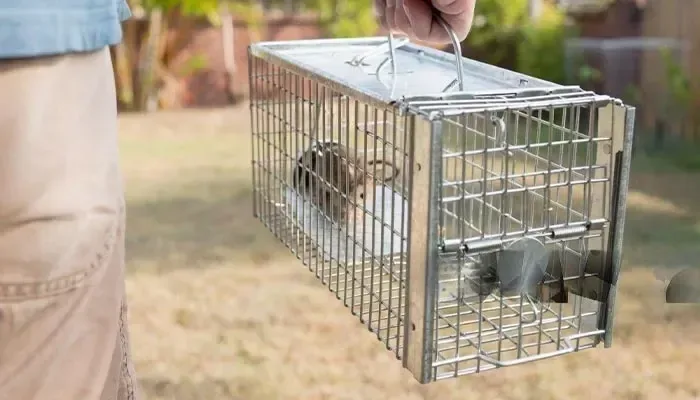
Safe removal and exclusion of rats and mice from your home or business.
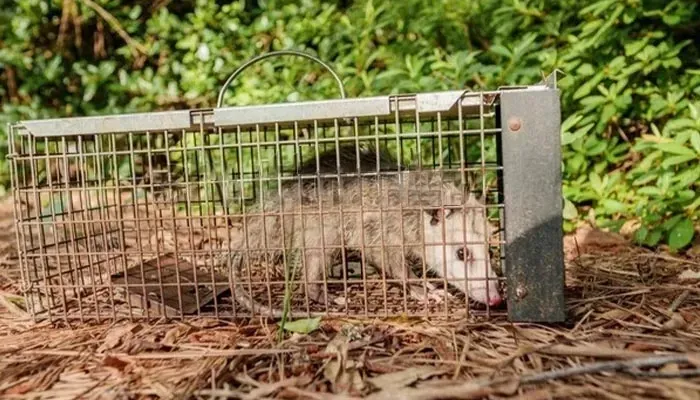
Expert removal of Possum and advice to keep them away.
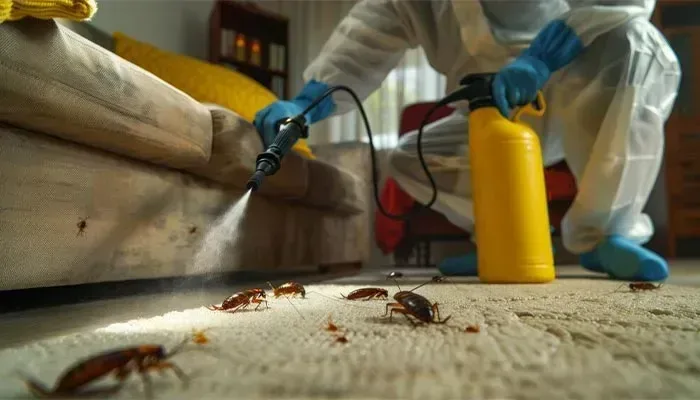
Professional treatments to eradicate cockroaches and prevent their return.
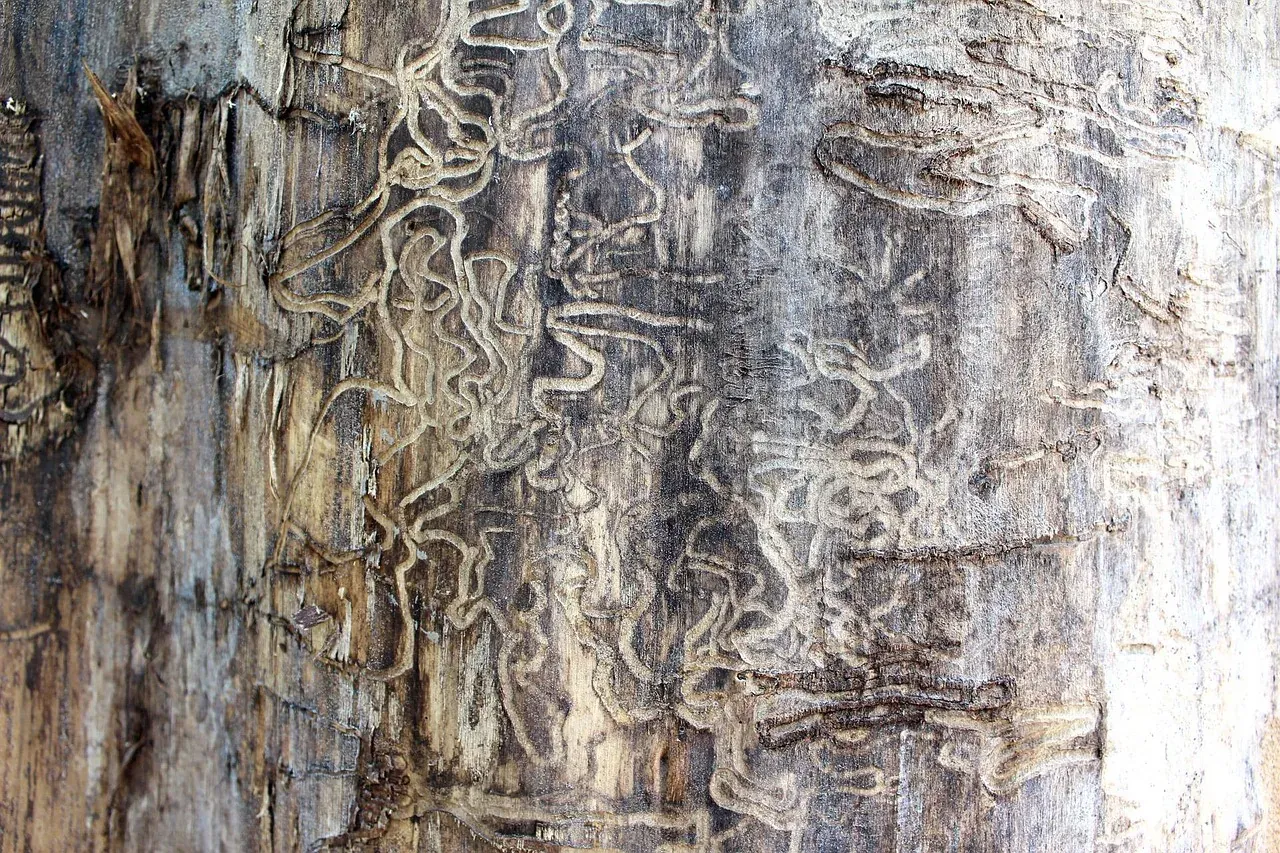
Licensed termite inspections, barriers and treatments.
Speak with our friendly team for a free quote and expert advice. We provide effective silverfish control services across Sydney, Perth, and surrounding areas.
We are dedicated to providing a complete solution to your silverfish problem.
Protect your home and valuables today. Contact us for a silverfish treatment plan tailored to your property.