
1
Risk Assessment
We identify the wasp species, assess the nest location, and establish a safe zone to ensure the protection of everyone on the property.
Our licensed team provides rapid, safe extermination and removal of wasp and hornet nests from your property, eliminating the immediate threat of painful and dangerous stings.
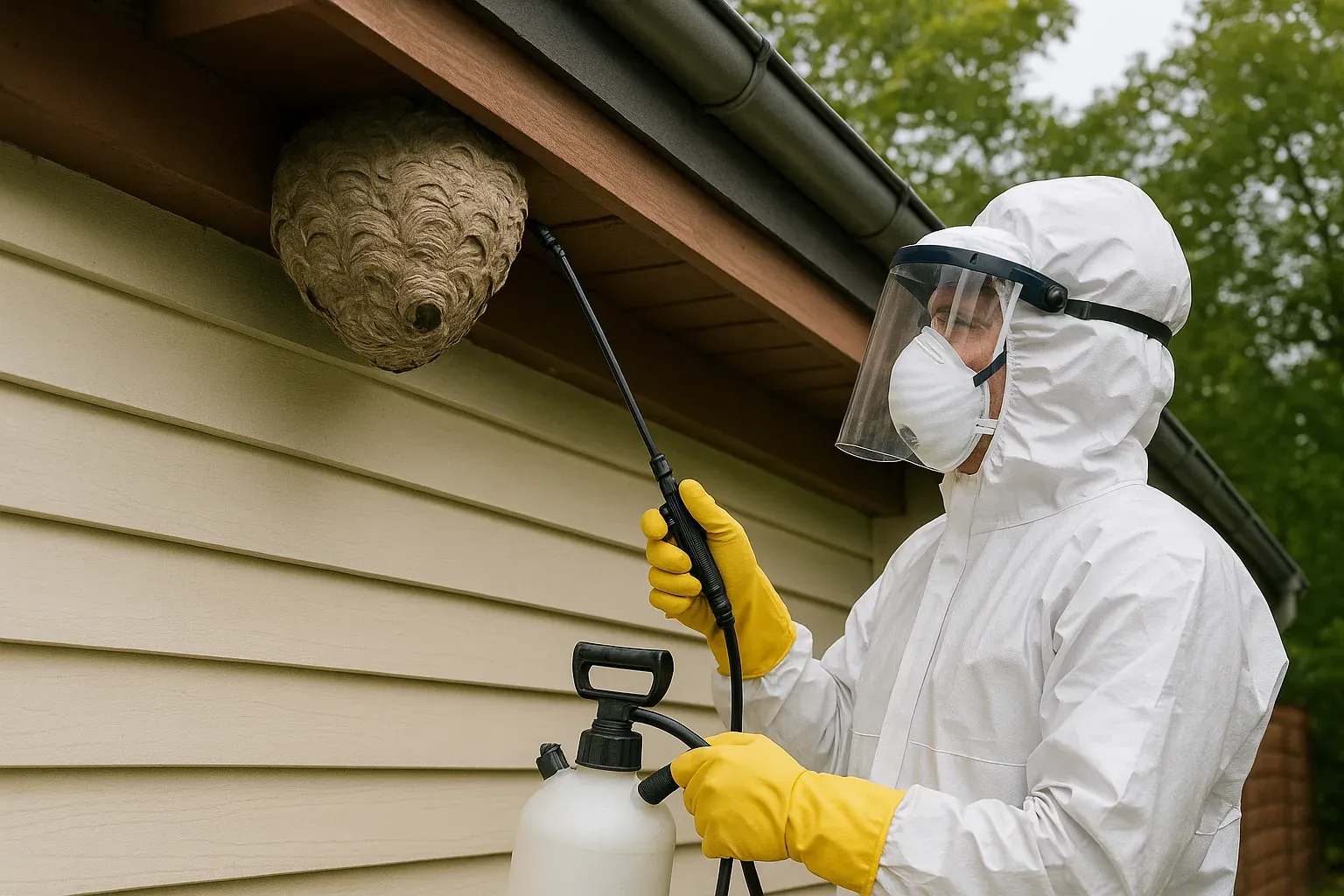
Wasps are highly territorial and will aggressively defend their nest. Disturbing them, even unintentionally, can trigger a swarm attack, resulting in multiple painful stings that can cause severe allergic reactions, including life-threatening anaphylaxis.
Unlike bees, wasps can sting repeatedly. An attack can be incredibly painful and dangerous, especially for children, pets, and the elderly.
Wasp venom can cause severe allergic reactions. For those with allergies, a single sting can lead to anaphylactic shock, requiring urgent medical attention.
A small nest can quickly grow to house thousands of aggressive wasps, increasing the risk of a dangerous encounter on your property.
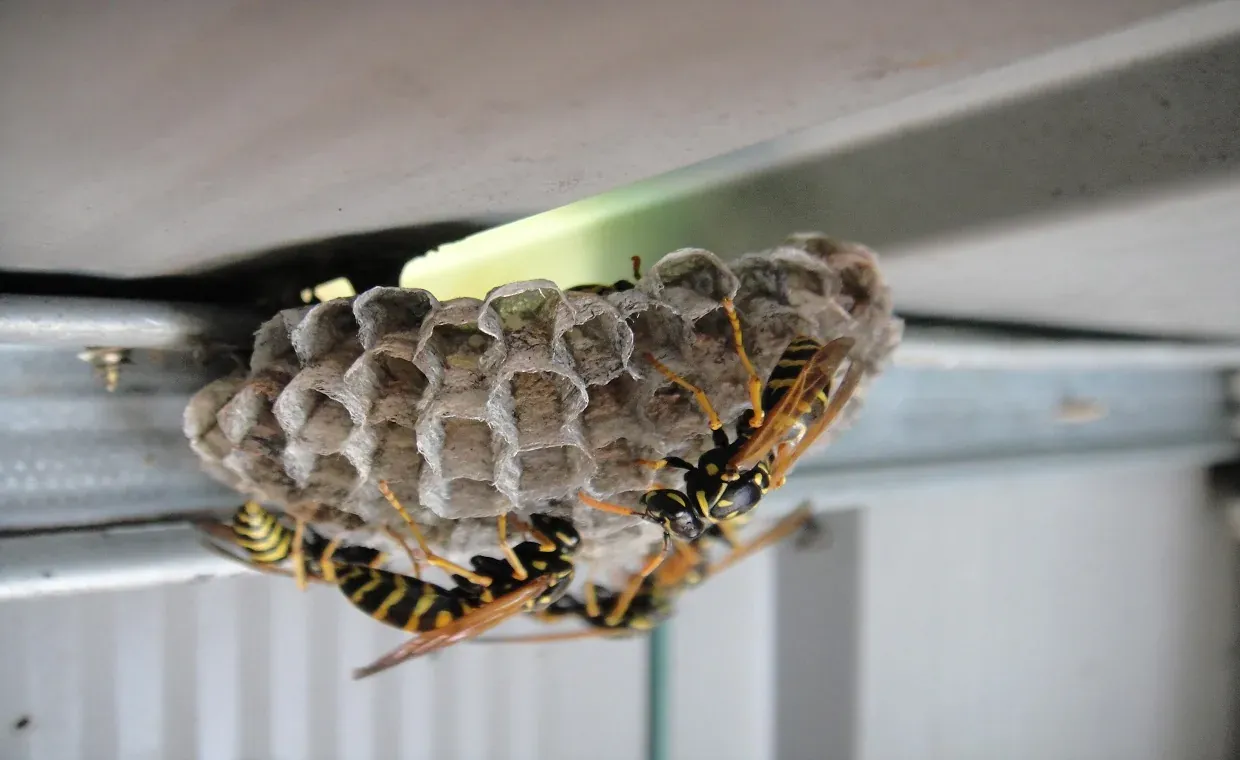
Common Signs
Our Approach
A meticulous, safety-focused process that guarantees the complete eradication of the wasp colony, protecting you and your property.
We identify the wasp species, assess the nest location, and establish a safe zone to ensure the protection of everyone on the property.
Wearing full protective gear, our technicians apply a fast-acting insecticidal dust or spray directly to the nest, quickly eliminating the entire colony.
Once the colony is neutralized, we safely remove the physical nest to prevent other pests from using it and deter wasps from returning to the same spot.
We provide expert recommendations on how to make your property less attractive to wasps, helping to prevent future nest building.
Safety is our top priority • Guaranteed colony removal • 24/7 Emergency Service
Dealing with wasps is dangerous and not a DIY job. Here’s why Sydney and Perth residents trust us to handle it safely and effectively.
We offer a 24/7 same-day service to quickly address dangerous wasp infestations and restore safety to your property.
Our technicians use specialized protective gear and proven methods to ensure the removal is safe for you and our team.
We guarantee the complete elimination of the wasp colony. If they come back, so do we.
Our team is fully licensed, insured, and highly experienced in dealing with all common Australian wasp species.
Proactive steps you can take to reduce the chances of wasps building a nest in your home or garden.
Regularly inspect your home's exterior and seal any cracks or holes in eaves, siding, and around utility pipes.
Keep rubbish bins tightly sealed, especially those with food waste, and clean up outdoor spills and fallen fruit.
Periodically check eaves, sheds, garages, wall cavities, and attics for the early signs of nest building.
Wasps chew on weathered wood to build their nests. Painting or sealing decks and fences can deter them.
As wasps are territorial, hanging a fake nest early in the season can sometimes trick them into building elsewhere.
Fix leaky outdoor taps and eliminate standing water, as wasps need water to survive and build their nests.
Do this
Avoid this
Quick answer
A wasp nest is removed by treating the nest core directly with an insecticidal dust, applied at dusk when the entire colony has returned. The dust is carried through the nest by the wasps themselves, so the queen and the brood are killed rather than just the foragers. The nest is then removed and the entry point sealed. Wasp nest removal in Australia costs $120 to $320 depending on species, height and access, and same-day service is standard for nests near doorways and play areas.
Identification
The species determines how aggressive the colony is, where the nest will be, and whether it must be reported. European wasps in particular are a declared pest in several Australian states and their nests can hold tens of thousands of individuals by autumn.
| Species | Appearance | Nest type and location | Aggression |
|---|---|---|---|
| European wasp Vespula germanica | 12 to 15 mm, bright yellow with black triangular markings, flies with legs tucked in | Concealed nests in wall cavities, roof voids, ground burrows and retaining walls. Can exceed 100,000 cells | Very high. Attacks in numbers and stings repeatedly |
| Paper wasp Polistes species | 15 to 22 mm, slender with long trailing legs, tan to black with orange bands | Open, upside-down umbrella nest with visible cells, under eaves, pergolas and in shrubs | Moderate. Defends the nest strongly when approached within a metre |
| Mud dauber wasp Sceliphron laetum | Long thin waist, black and yellow, 20 to 30 mm | Tubular mud cells on walls, under eaves, inside sheds and behind wall-mounted equipment | Very low. Solitary and rarely stings |
| Yellow jacket and English wasp Vespula vulgaris | Similar to European wasp with a slightly different face marking | Concealed nests, more common in cooler southern regions | Very high. Treat exactly as you would a European wasp |
Wasp or bee? Wasps have smooth, hairless bodies, a narrow waist and bright yellow banding, and they can sting repeatedly. Bees are furry and rounded, golden brown, and die after stinging once. Bees are valuable pollinators and are relocated live wherever possible, which is why identification matters before anything is treated. See our bee removal and relocation service.
Safety
Emergency departments across Australia treat wasp sting cases every summer, and most involve someone who tried to deal with a nest without protective equipment.
Disturbed wasps release an alarm pheromone that recruits the whole colony within seconds. Unlike bees they sting repeatedly, and a European wasp nest can send out hundreds of defenders at once.
A supermarket spray coats the outer surface and kills the wasps at the entrance. The queen and brood deep inside survive, the colony rebuilds, and you have just made it hostile.
Sealing a nest entry in a wall cavity forces the colony to chew a new exit, and that exit often comes out on the inside of the plasterboard, putting the entire nest into the room.
Around 3 per cent of adults have a severe allergy to wasp venom, and many do not know until the first serious reaction. Multiple stings also cause a toxic reaction in people with no allergy at all.
Move away from the nest immediately, since wasps continue to attack while you remain nearby. Wash the area, apply a cold pack for 15 minutes, and take an antihistamine for the swelling. Call 000 straight away if there is difficulty breathing, swelling of the face, lips or tongue, dizziness, a widespread rash, or vomiting. If an adrenaline autoinjector is available, use it before calling. Anyone stung more than ten times should be assessed by a doctor even with no allergy history.
Pricing
| Nest type | Typical price | Notes |
|---|---|---|
| Paper wasp nest under an eave or pergola | $120 to $180 | Accessible from ground level or a short ladder |
| European wasp ground or wall nest | $180 to $320 | Dusting of the nest core, entry sealed after colony death |
| Roof void or cavity nest | $220 to $380 | Includes cavity access, treatment and proofing of the entry point |
| Multiple nests or acreage property | Quoted on site | Common on rural blocks, schools and sports grounds |
| Emergency after-hours callout | From $250 | Prioritised where a nest is near a door, childcare centre or a known allergy sufferer |
Height, access equipment and whether the nest sits inside a structural cavity affect the final price. We confirm the figure before treatment starts.
Seasonality
September to November. Overwintered queens emerge and start small nests, often the size of a golf ball. Treatment now is cheap, fast and low risk.
December to February. Rapid growth. Worker numbers climb into the thousands and nests become obvious. This is peak callout season.
March to May. The most dangerous period. Natural food runs short, colonies switch to protein and sugar, and wasps become aggressive around barbecues, bins, fruit trees and drink cans.
June to August. Most colonies die off in the cold, though in mild coastal areas a European wasp nest can survive winter and continue growing into a very large nest the following year.
Never drink from an open can outdoors in autumn. European wasps crawl inside cans and glasses to reach sugar. Stings inside the mouth or throat cause swelling that can block the airway. Use a lid or a straw and check the rim before drinking.
Prevention
A queen starting a nest in September is working alone. Removing a golf ball sized nest then avoids dealing with a colony of thousands in February. Check eaves, pergolas, gas meter boxes, letterbox interiors and shed rafters monthly.
European wasps enter through weep holes, gaps behind fascia and unsealed vents. Fit weep hole covers and mesh over vents in spring, well before nesting starts, never while a nest is active inside.
Keep bin lids closed and rinse recycling. Pick up fallen fruit, cover pet food, and clean the barbecue after use. Protein scraps in autumn draw European wasps from several hundred metres away.
Several states run reporting programmes for European wasps because they are a declared pest that displaces native insects. Report the sighting to your local council or state department and arrange professional treatment.
Help centre
Safety, timing, cost and what happens on the day. Talk to a licensed technician.
We offer a full suite of pest control services to protect your property.
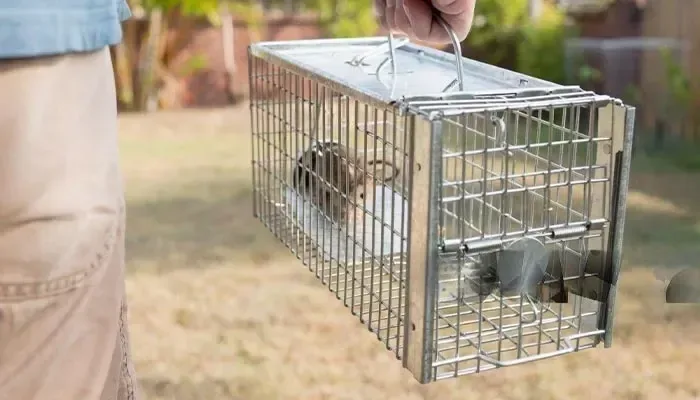
Safe removal and exclusion of rats and mice from your home or business.
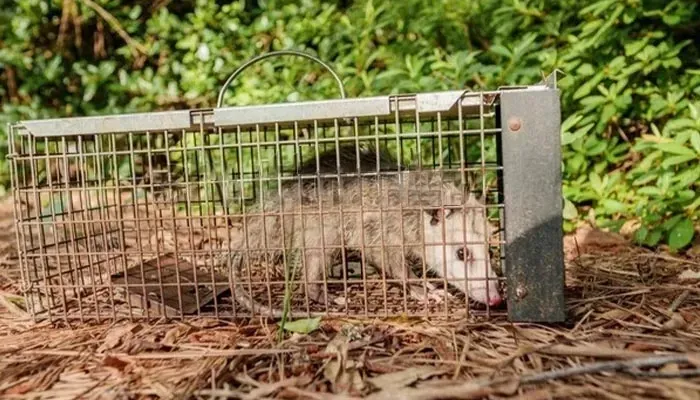
Expert removal of Possum and advice to keep them away.
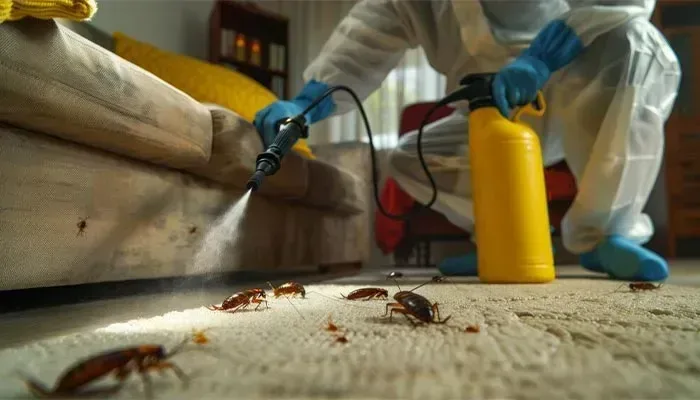
Professional treatments to eradicate cockroaches and prevent their return.
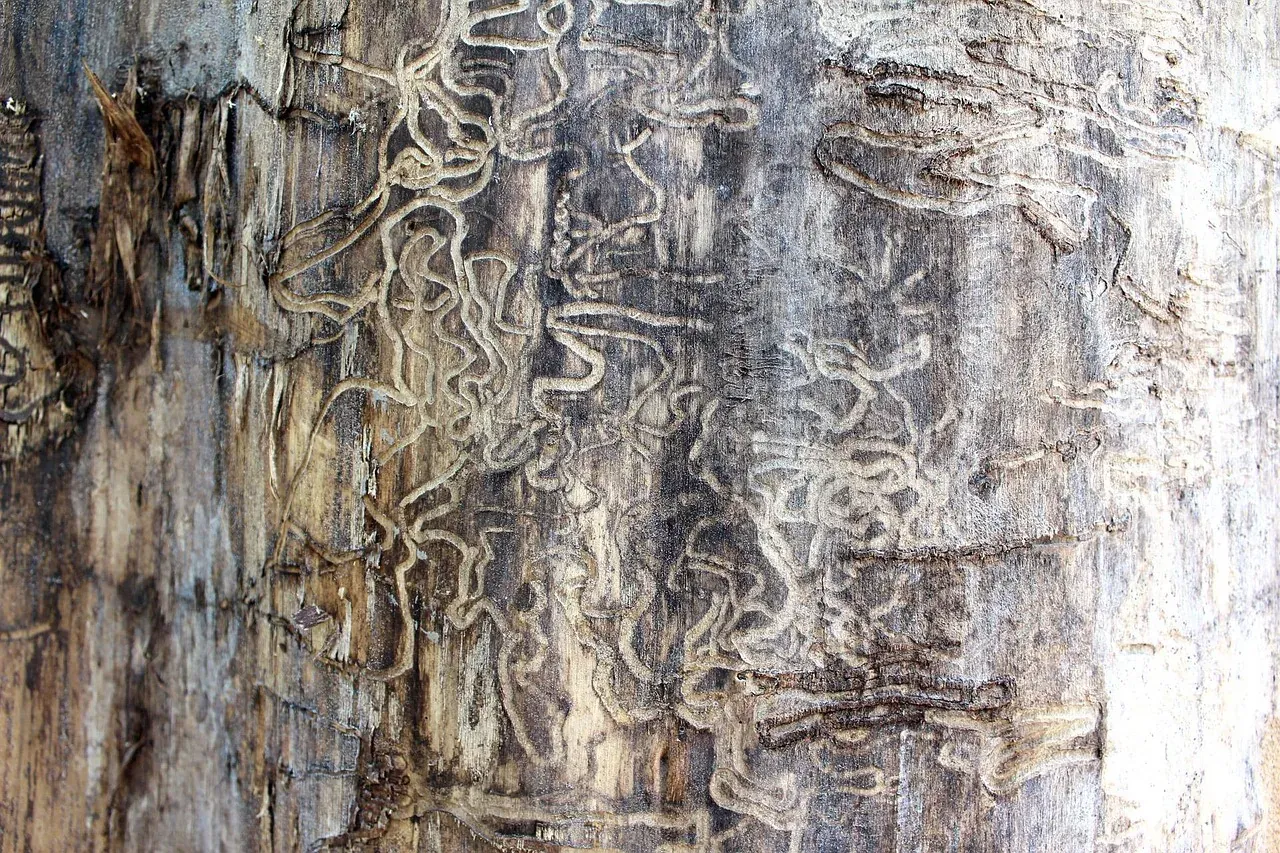
Licensed termite inspections, barriers and treatments.
Don't risk your safety. Speak with our friendly team for immediate assistance. We service Sydney, Perth and surrounding areas with our 24/7 emergency removal service.
Your safety is our absolute priority during any wasp removal service.
Contact us now to safely and quickly resolve your wasp problem.